
How to Dress with Shirts for Corporate Events, Teams, and Branded Occasions
Discover how to dress with shirts for corporate events and branded occasions in Australia — tips on styles, decoration, and ordering.

Written by
Corey Bishop
Corporate Gifts
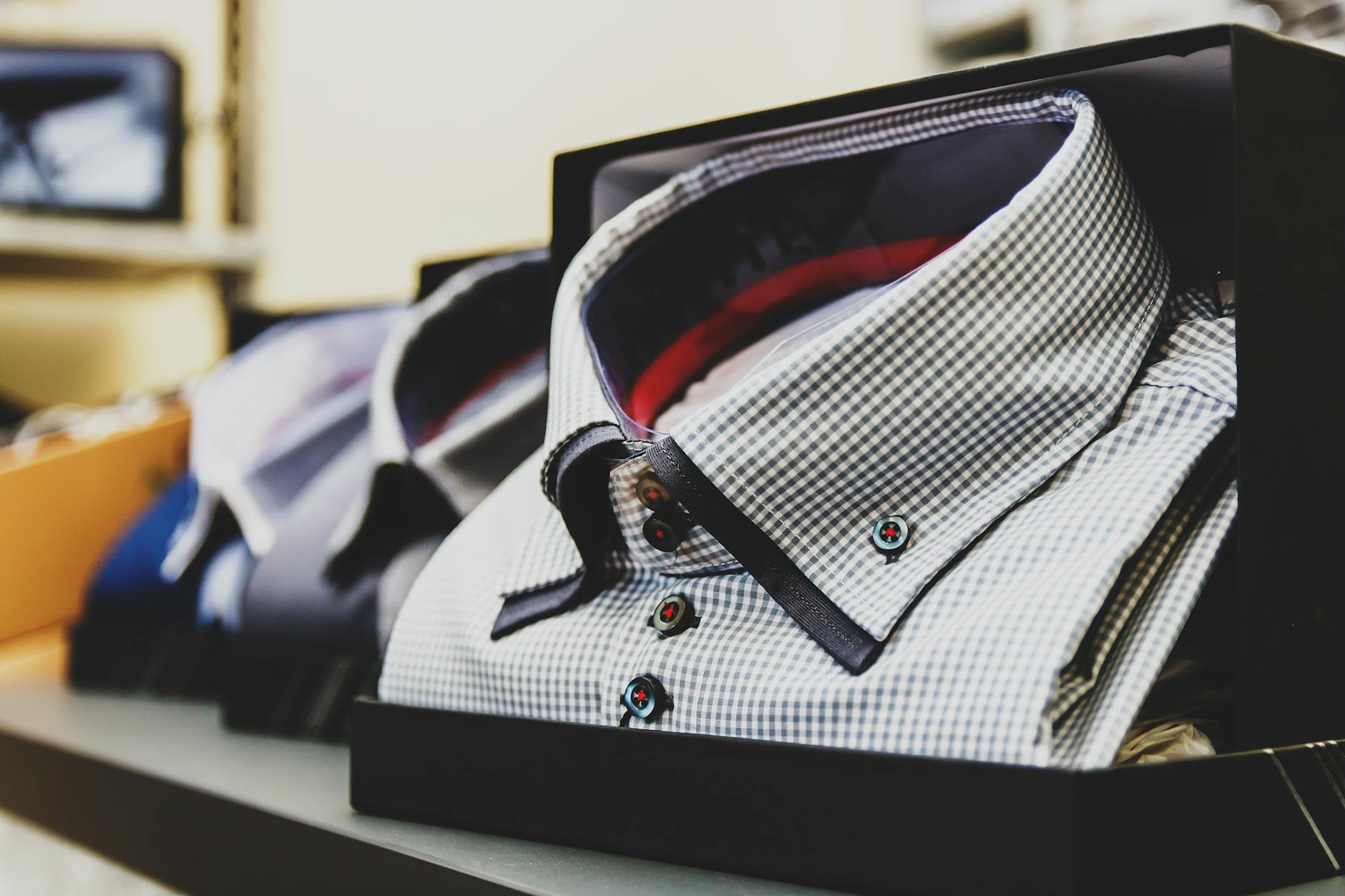
Getting the dress code right for a corporate event, staff uniform rollout, or branded occasion can feel surprisingly complex — especially when shirts are involved. Whether you’re outfitting a 50-person Sydney sales team, coordinating volunteers at a Melbourne conference, or dressing board members for a Brisbane gala dinner, knowing how to dress with shirts effectively can make or break your organisation’s visual presence. The right shirt style, paired with smart decoration choices and a clear brief to your merchandise supplier, transforms a simple garment into a powerful branding tool that communicates professionalism, unity, and credibility.
Why Shirts Are the Cornerstone of Corporate Branded Apparel
Shirts sit at the top of the corporate apparel hierarchy for good reason. They’re versatile, widely accepted across industries and dress codes, and offer a generous surface area for branding. From crisp button-up business shirts for client-facing teams to polo shirts for tradespeople and event crews, the category spans an enormous range of styles, fabrics, and fits.
For Australian businesses, shirts are often the first garment ordered when building a branded uniform or merch range. They function equally well as staff uniforms, conference giveaways, VIP gifts, or team-building event attire. When you think about how to dress with shirts in a corporate context, the decision goes beyond aesthetics — it involves understanding your audience, your brand identity, and the practical demands of the occasion.
Understanding the landscape of workout clothing and activewear branding can also sharpen your thinking around fabric performance and fit, even when you’re ordering more formal corporate shirts rather than activewear pieces.
Understanding the Main Shirt Styles for Corporate and Branded Use
Business Shirts and Dress Shirts
Traditional business shirts — long-sleeved, collared, and typically in white, light blue, or subtle stripes — are the default for formal corporate environments. Think law firms in Melbourne CBD, financial services companies in Sydney’s CBD, or government departments in Canberra. These shirts project authority and polish, and they’re typically decorated with subtle left-chest embroidery rather than bold printed graphics.
If you’re placing a bulk order of business shirts, expect minimum order quantities (MOQs) of around 10–20 units with most Australian suppliers, and allow a turnaround time of two to three weeks for embroidered logos on woven fabric. Setup fees for embroidery digitising typically sit between $50 and $100 as a one-off cost.
Polo Shirts
Polo shirts are arguably the most popular corporate shirt category in Australia. They work brilliantly across industries — real estate agents, healthcare workers, trade show staff, school staff, and sporting clubs all reach for the polo first. The knit fabric is breathable and comfortable, making it ideal for outdoor events, trade expos, and active workplace environments. Custom polos are most commonly decorated with embroidery on the left chest, though sublimation printing is increasingly popular for vibrant, all-over designs.
If you’re coordinating branding for an outdoor event, pairing polos with items like custom trucker caps is a smart way to create a cohesive, head-to-toe branded look that staff and volunteers will actually enjoy wearing.
Casual and Event T-Shirts
While not strictly “dress shirts,” casual branded tees are a legitimate part of dressing with shirts in a corporate context — particularly for team-building events, staff days out, charity walks, or open day activations. A Perth tech company running an internal hackathon, for example, might order 80 custom t-shirts in their brand colours, screen printed with a clever event-specific design on the back. Screen printing is the most cost-effective decoration method for large runs of casual tees, often dropping to just a few dollars per unit once you’re ordering 100 or more.
For more about sourcing merchandise that suits open-day events and activations, check out our guide to promotional giveaways for open days in Australia.
How to Dress with Shirts: Key Decisions Before You Order
Getting the most out of your shirt order requires upfront planning. Here are the critical decisions to work through before placing your brief.
Define the Occasion and Dress Standard
The occasion dictates everything. A shirt appropriate for a financial services team at a client presentation is very different from what you’d order for a Gold Coast trade expo stand crew or a Hobart charity fundraiser. Think about:
- Formality level: Dress shirt, polo, or casual tee?
- Indoor vs outdoor: Breathability, moisture wicking, and UV protection matter in Australian conditions.
- Weather and season: A Darwin team in the Top End will have very different needs to an Adelaide office in winter.
- Gender inclusivity: Ensure you order a range of fits — men’s, women’s, and unisex cuts — so all team members feel comfortable and well-presented.
Choose the Right Decoration Method
Decoration method is one of the most important decisions you’ll make. Here’s a quick overview for shirts specifically:
- Embroidery: Best for business shirts and polos. Professional finish, durable, and suits small to medium logos. Not ideal for photographic images or very fine detail.
- Screen printing: Excellent for t-shirts and casual shirts in larger runs. Cost-effective at volume, vibrant colours, but generally not suited for woven dress shirts.
- Sublimation: Ideal for polyester or performance fabric shirts where you want full-colour, all-over design. Popular for sporting and event shirts.
- Heat transfer: Useful for small runs or complex multi-colour designs where screen printing setup costs would be prohibitive.
Understanding the nuances between these methods is covered in greater detail across our broader branding resources. If you’re managing a larger campaign that includes multiple product types, our overview of promotional products for government departments in Australia offers useful insight into managing complex branded merchandise orders.
Nail the Colour and Logo Artwork
Australian corporate branding often involves strict brand guidelines — PMS colours, specific logo versions, and precise placement requirements. For embroidery, your logo will need to be digitised, which is the process of converting artwork into stitch data. Always ask your supplier for a digital stitch-out proof before bulk production begins. For screen printing, request a hard-copy strike-off or a detailed digital proof.
Where possible, choose shirt colours that either match or clearly complement your brand palette. Clashing colours undermine the whole visual effect, no matter how good the decoration quality is.
Pairing Shirts with Other Branded Merchandise
Dressing with shirts rarely happens in isolation. The most impactful corporate branding moments come when shirts work as part of a broader merchandise strategy — complemented by accessories, drinkware, and gifts that reinforce the brand message.
Some popular pairings for corporate shirt orders include:
- Branded drinkware: Shirts and custom drink bottles are a classic pairing for events and staff gifting. Our guide to promotional drinkware for brand awareness in Australia explains how to select the right products.
- Personalised travel mugs: Perfect for office-based teams. Learn more about what makes a great personalised travel mug for corporate use.
- Eco-friendly companion gifts: Sustainable merchandise pairs beautifully with shirts for green-minded organisations. Explore options like recycled promotional items for environmentally focused businesses or upcycled corporate gifts.
- Flat water flasks: Compact and practical, a flat water flask alongside a branded polo makes an excellent event giveaway or staff welcome pack.
- Work Christmas gifts: If you’re planning an end-of-year gift bundle, shirts often anchor a broader work Christmas gift package that can include accessories and keepsakes.
For outdoor or sports-themed corporate events, consider pairing branded shirts with items like promotional footballs for outdoor corporate events to create an immersive branded experience.
Budgeting for a Corporate Shirt Order
Shirt pricing in Australia varies considerably based on garment quality, order volume, and decoration complexity. As a rough guide:
- Entry-level promotional polos: $15–$25 per unit at 50+ pieces
- Mid-range business polos with embroidery: $30–$55 per unit at 25+ pieces
- Premium business dress shirts with embroidery: $55–$90 per unit at 20+ pieces
- Casual event tees with screen print: $10–$20 per unit at 100+ pieces
Keep in mind that setup fees, freight, and GST are typically additional. If you’re ordering for a national team with staff in Sydney, Melbourne, Brisbane, Adelaide, and Perth, consolidate delivery where possible to reduce freight costs.
It’s also worth reviewing recent Australian promotional products survey results to understand how businesses are currently allocating their branded merchandise budgets — shirts consistently rank among the highest-priority items.
Practical Tips for a Smooth Shirt Order
- Order size samples first: Before committing to a bulk run, request a sample of the garment in your preferred colour and size to check quality, fit, and fabric.
- Allow adequate lead time: Standard orders typically take 10–15 business days. If you have a firm event date, add at least one week as buffer for artwork revisions or production delays.
- Collect sizes early: Size collection is often the biggest bottleneck in shirt orders. Use a simple online form to gather staff sizes at least two to three weeks before your order deadline.
- Consider sustainability: Where budget allows, opt for organic cotton, recycled polyester, or Fair Trade certified garments. This aligns with broader CSR commitments and resonates with modern audiences.
- Plan for growth: Order five to ten percent more units than you currently need to accommodate new staff, replacements, and future events.
Conclusion: Key Takeaways for Dressing with Shirts in a Corporate Context
Learning how to dress with shirts effectively is about far more than picking a style and slapping on a logo. It’s a strategic decision that shapes how your brand is perceived internally by staff and externally by clients, partners, and the public. When done well, branded shirts are among the most powerful and lasting promotional tools available to Australian organisations.
Here are the key takeaways to carry into your next shirt order:
- Match the shirt style to the occasion — formal dress shirts for client-facing roles, polos for active environments, and casual tees for events and team days.
- Choose the right decoration method — embroidery for polished and durable results on business shirts and polos; screen printing or sublimation for casual and event tees.
- Plan your order carefully — collect sizes early, request proofs, allow realistic lead times, and order a small buffer of extra units.
- Pair shirts with complementary merchandise — drinkware, caps, bags, and accessories amplify the impact of a shirt order and create cohesive brand experiences.
- Consider sustainability — eco-conscious garment choices reflect well on your brand and align with the values of modern Australian organisations.