
What Australian Promotional Products Survey Results Reveal About Branded Merchandise in 2026
Discover what promotional products survey results from Australia reveal about branded merch trends, ROI, and what audiences actually want in 2026.

Written by
Aisha Kone
Industry Trends & Stats
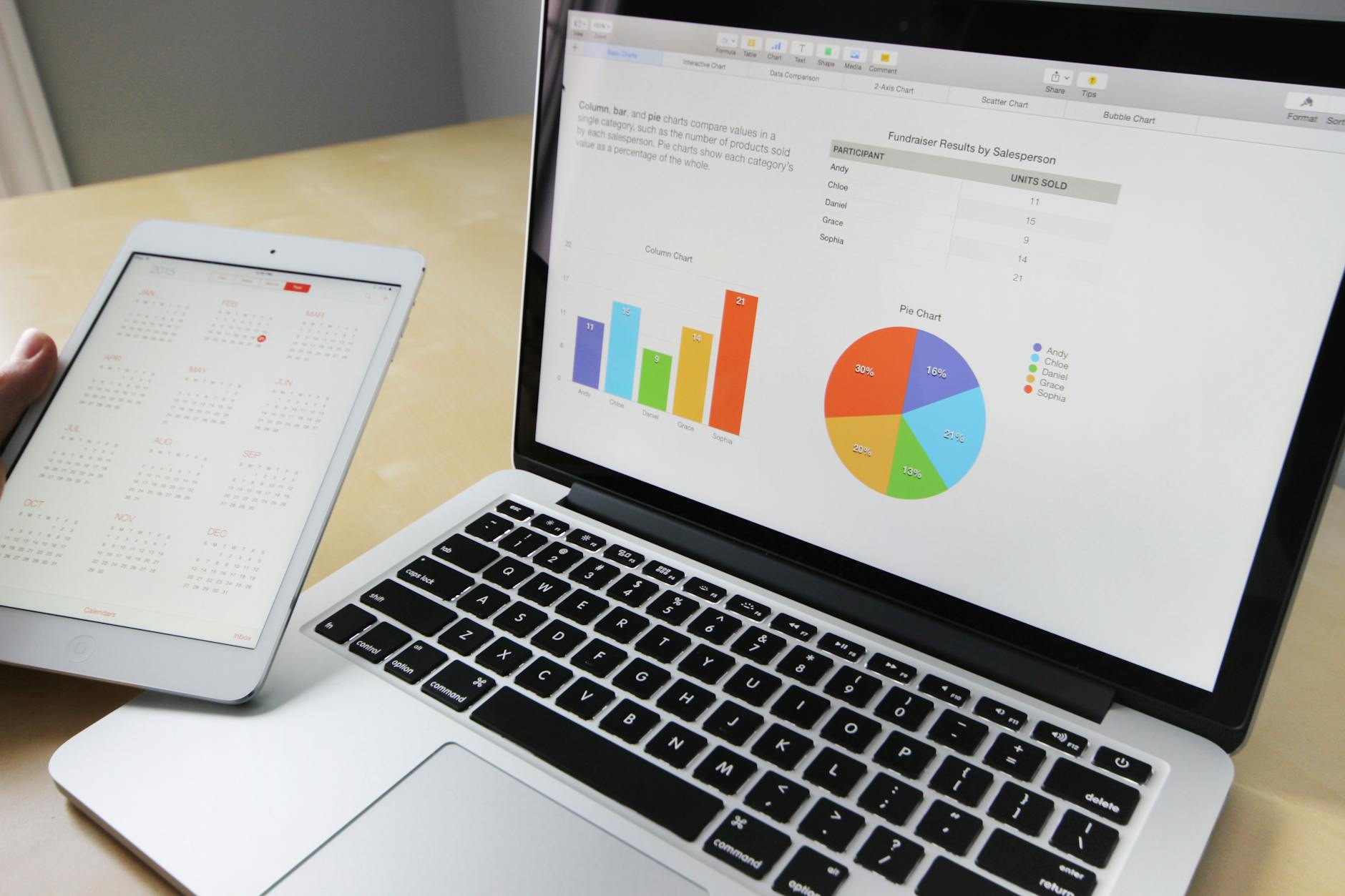
Every year, thousands of Australian businesses invest in branded merchandise — but how many of them actually know whether it’s working? Promotional products survey results from across Australia are painting a fascinating picture of how organisations approach branded merch, what recipients genuinely think of it, and where the real return on investment lies. Whether you’re a corporate team in Sydney preparing for your next conference, an event organiser in Brisbane planning a major trade show, or a small business owner in Adelaide exploring branded giveaways for the first time, the data tells a story worth paying attention to. This guide breaks down what the research reveals, what it means for your next merchandise order, and how you can use these insights to make smarter decisions.
What Promotional Products Survey Results Tell Us About Australian Audiences
Survey data consistently shows that branded merchandise performs exceptionally well as a marketing channel — often outperforming digital advertising in certain metrics like recall and sentiment. Australian-specific research has highlighted a few key findings that are particularly relevant for businesses operating in this market.
Recipients Keep Branded Products for Longer Than You Think
One of the most striking data points from promotional products research is the average length of time recipients hold onto branded items. Studies suggest that many people keep useful promotional products for over 12 months, with items like drinkware, bags, and stationery showing the highest retention rates. This means a single branded item can deliver hundreds of brand impressions over its lifetime — a cost-per-impression figure that’s difficult to beat with traditional advertising.
In Australia, where consumers are increasingly eco-conscious and value practicality, this retention is even more pronounced when the item has clear daily utility. A reusable branded water bottle ordered in bulk for a Melbourne wellness conference, for example, is far more likely to sit on someone’s desk for a year than a printed flyer is to survive the week.
The Products Australians Actually Want to Receive
Survey data across Australia and the wider Asia-Pacific region consistently identifies the categories that recipients find most desirable:
- Drinkware (keep cups, water bottles, travel mugs) — especially among corporate professionals
- Bags and totes — practical, visible, and highly versatile
- Apparel (t-shirts, hoodies, caps) — strong brand recall, frequently worn in public
- Tech accessories (power banks, USB hubs, phone holders) — perceived as high value
- Stationery (notebooks, pens, lanyards) — reliable workhorses for any event or conference
This preference for practical, everyday items is a key insight for event organisers. If you’re sourcing promotional giveaways for open days, leaning into utility-driven products will almost always outperform novelty items in terms of satisfaction and brand recall.
How Businesses Are Responding to Survey Data in 2026
Australian organisations are increasingly making evidence-based decisions about their branded merchandise budgets, and the shift is visible across industries. Rather than simply ordering the cheapest available item in bulk, procurement managers and marketing teams are asking better questions: Does this align with our brand values? Will our audience actually use it? What’s the longevity of this product?
Growing Investment in Eco-Friendly and Sustainable Products
Survey respondents in Australia consistently rank sustainability as a top-three consideration when evaluating branded merchandise — particularly among younger audiences (18–35) and in sectors like government, education, and healthcare. This has driven a significant uptick in orders for organic cotton promotional products and other sustainably sourced items.
For councils across Western Australia, Queensland, and Victoria, sourcing eco-responsible merchandise has become less of a preference and more of a policy requirement. A Perth council running a community environment day, for example, would be unlikely to choose single-use plastic giveaways when bamboo or recycled alternatives are readily available at comparable price points.
This shift is reflected in the branded merchandise market trends that have been tracked over the past few years — sustainable product categories are growing at a rate that outpaces the broader promotional products market.
Budget Allocation Shifting Toward Fewer, Better Items
Another clear trend emerging from survey results is that Australian businesses are moving away from the “more is more” mentality. Rather than ordering thousands of cheap pens that end up in a drawer (or the bin), organisations are concentrating their budgets on fewer, higher-quality items that recipients genuinely value.
This is particularly evident in corporate gifting. A Sydney-based financial services firm, for instance, might spend the same total budget on 200 quality personalised leather portfolios that each recipient will use for years, rather than 2,000 plastic keyrings that deliver minimal brand impact. The cost-per-impression calculation firmly favours the premium item.
Industry-Specific Insights From Promotional Products Research
Survey data becomes even more useful when it’s broken down by sector. Different industries in Australia have very different approaches to branded merchandise, and understanding those nuances can help you benchmark your own strategy.
Corporate and Events
Corporate teams and event organisers continue to be the largest consumers of promotional products in Australia. Event merchandise for product launches in Sydney follows a clear pattern: high-value items for VIP guests, mid-tier branded merchandise for general attendees, and digital touchpoints (like branded phone accessories or USB drives) for tech-forward audiences.
Custom lanyards with quick turnaround remain a staple for conferences and events nationwide, where last-minute orders are common and turnaround speed is often as important as product quality. Survey data confirms that lanyards, badges, and tote bags are still among the top three items ordered for Australian conferences year after year.
Automotive and Trade Industries
Niche industries are also represented in promotional products research. The automotive sector, for example, has found strong results with branded accessories that speak directly to their customer base. Custom car phone holders for car dealerships and promotional digital tyre gauges for tyre shops are examples of industry-specific products that perform well because they’re genuinely relevant to the recipient’s life.
Survey data supports the principle of relevance: recipients who receive a promotional item that matches their industry, lifestyle, or interests are significantly more likely to keep it, use it, and recall the brand behind it.
Retail, Lifestyle, and Homewares
Consumer-facing brands are leaning into highly shareable, lifestyle-aligned merchandise. Promotional keyrings for kitchen and homewares brands and niche items like branded tote bags under $1,000 total budget are popular because they combine brand visibility with everyday practicality.
Sporting Clubs and Community Organisations
Sporting clubs and community groups — from lawn bowls clubs in regional South Australia to football associations in suburban Melbourne — are increasingly recognising the value of branded merchandise for member engagement and fundraising. Branded lawn bowls for bowling club promotions are a niche but growing category that illustrates how even traditional community organisations are finding creative ways to use custom products.
What Survey Results Say About ROI and Measurement
One of the more challenging aspects of branded merchandise is measuring its return on investment. Unlike a digital ad campaign where clicks and conversions are tracked in real time, the impact of a branded hoodie or reusable cup is harder to quantify.
However, survey data provides some useful proxies. When recipients are asked directly, a substantial majority report that receiving a useful promotional product positively influences their opinion of the brand behind it. In Australia, that figure is consistently high — often above 70% — meaning the majority of your merchandise investment is generating goodwill, even if it’s not showing up in your CRM.
Organisations operating in wellness and healthcare are beginning to tie branded merchandise into structured programs. Custom lip balm for corporate wellness programs is one example of how thoughtfully chosen products can reinforce a broader message and create measurable engagement within a staff or client program.
For businesses in Northern Territory and other regional markets, access to quality suppliers matters enormously. Understanding what’s available from custom merchandise suppliers in the NT is part of ensuring your branded merchandise strategy is both feasible and cost-effective.
Practical Takeaways for Your Next Branded Merchandise Order
Survey insights are only useful if they translate into action. Here’s how Australian businesses and organisations can apply what the research shows:
Prioritise utility over novelty. Items recipients will use daily — drinkware, bags, tech accessories — consistently outperform novelty items in retention and recall.
Align product choice with your audience’s values. If your audience skews younger or is based in a sector with strong sustainability commitments, eco-friendly options like organic cotton merchandise or recycled materials are worth the marginal extra cost.
Don’t overlook niche or industry-specific items. Whether you’re looking at branded safety glasses in Perth for a trade event or promotional hi-vis vests for a worksite giveaway, relevant items dramatically outperform generic ones.
Consider seasonal relevance. Survey data confirms that recipients respond well to merchandise that feels timely. Easter branded gifts for employees during the holiday period, for example, generate higher engagement than the same items distributed out of season.
Understand decoration method impact. The way your logo is applied affects perceived quality. Embroidery, laser engraving, and sublimation tend to score higher in perceived value than basic pad printing. Understanding the cost comparison of different decoration methods helps you make informed decisions about where to invest.
Conclusion: Using Survey Data to Drive Smarter Merchandise Decisions
The picture painted by promotional products survey results in Australia is clear: branded merchandise works, but it works best when it’s practical, relevant, well-made, and aligned with the values of the recipient. Australian businesses that take the time to understand what the data says — and apply those insights to their ordering decisions — will consistently outperform those who simply grab the cheapest option available.
Here are the key takeaways to carry into your next branded merchandise project:
- Utility drives retention: Practical items like drinkware, bags, and apparel are kept longest and generate the most brand impressions over time
- Sustainability is no longer optional: Australian audiences increasingly expect eco-conscious choices, and the product range to support this is broader than ever
- Relevance matters more than volume: A smaller quantity of highly relevant, quality items will outperform a large quantity of generic products
- Industry-specific merchandise delivers stronger results: Tailoring your product choice to your audience’s world dramatically improves impact
- Survey data is your benchmarking tool: Use industry research to validate your merchandise strategy and justify budget decisions to stakeholders
The research doesn’t lie — and in a market as competitive as Australia’s, making evidence-based decisions about your branded merchandise is one of the smartest investments you can make.