
Tour Shirts: The Complete Guide to Custom Event Apparel for Australian Organisations
Planning a tour shirt order in Australia? Discover decoration methods, MOQs, budgeting tips, and product advice for events and corporate teams.

Written by
Darcy Flynn
Custom Apparel
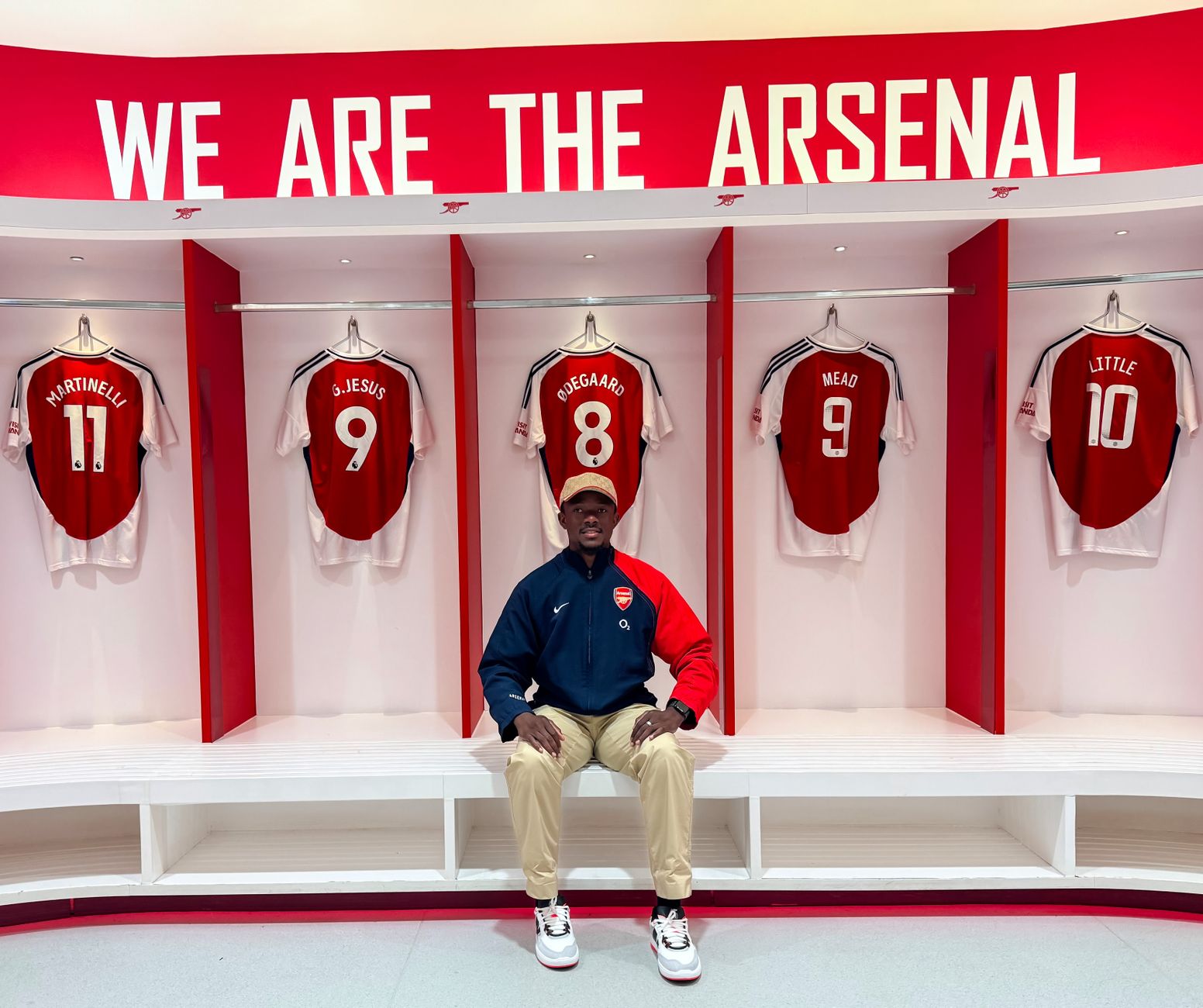
Whether you’re coordinating a national sales roadshow, managing a school excursion, running a sporting tour, or organising a corporate team-building trip across Australia, one thing almost every group needs is a great tour shirt. More than just a practical way to keep a group identifiable, a well-designed tour shirt becomes a keepsake — something people actually wear again long after the event ends. But sourcing the right shirt for your group involves more decisions than most people expect: the right fabric, the right decoration method, the right quantity, and enough lead time to get it done properly. This guide walks through everything Australian businesses, event organisers, and corporate teams need to know before placing an order.
What Is a Tour Shirt, and Why Does It Matter?
At its most basic, a tour shirt is a custom-printed or embroidered garment worn by members of a group during a shared event or series of events. The term covers a wide range of scenarios — from a Queensland footy club travelling to Sydney for a regional tournament, to a Melbourne-based tech company running a multi-city product launch roadshow, to a Perth school group heading interstate on an educational excursion.
But here’s why it matters more than people realise: a tour shirt serves multiple purposes simultaneously. It builds group identity and cohesion. It makes logistics easier (spotting your group in a crowd is significantly simpler when everyone’s wearing the same thing). And done well, it reinforces brand recognition — particularly valuable for corporate tours where you’re meeting clients, attending industry events, or representing your organisation in a public setting.
Research consistently shows that branded apparel delivers some of the highest recall rates of any promotional product. According to data gathered from promotional products surveys across Australia, recipients of branded clothing often keep and wear the item for years, which makes every tour shirt an ongoing piece of walking advertising.
Choosing the Right Style for Your Tour Shirt
Not all tour shirts are created equal. The style you choose will depend on the nature of your event, your audience, and how the shirt will actually be used.
Classic T-Shirts
The most common choice for tour shirts is the standard crew-neck t-shirt. It’s affordable, widely available in a huge range of colours and sizes, and lends itself to bold, vibrant artwork through screen printing or direct-to-garment (DTG) digital printing. For casual events, school excursions, music tours, or community group travel, a t-shirt is often the ideal format.
Look for garments with a weight of at least 180gsm for a better drape and longer lifespan — lighter shirts can feel flimsy and don’t hold print as well over time.
Polo Shirts
For corporate tours, trade delegations, or events where a slightly more professional look is required, a polo shirt is frequently the better choice. Embroidery is the preferred decoration method for polos, lending a premium, durable finish that holds up across repeated washes. A Brisbane professional services firm running a client roadshow through Adelaide and Canberra, for instance, would typically opt for embroidered polos rather than screen-printed tees.
For ideas on how custom polo shirts fit into broader branded workout clothing or performance apparel ranges, it’s worth exploring what fabrics offer the best longevity and comfort in Australian conditions.
Performance and Technical Fabrics
If your tour involves physical activity — a corporate wellness retreat in the Blue Mountains, a sporting club tour, or an adventure travel group — consider shirts made from moisture-wicking, quick-dry fabrics. These are particularly popular for tours involving outdoor activities, and they work well with sublimation printing, which embeds the ink directly into the fabric for a vibrant, full-colour result that won’t crack or peel.
If your event combines physical activity with group branding, you might also want to look at what accessories pair well alongside a tour shirt — options like custom trucker caps can complete the look and add another branded touchpoint for your group.
Decoration Methods: Which One Is Right for Your Tour Shirt?
Choosing the right decoration method is one of the most important decisions in the tour shirt ordering process. Each method has its strengths, limitations, and ideal use cases.
Screen Printing
Screen printing is the go-to for bulk orders with bold, consistent artwork. If you’re ordering 50 or more shirts and your design involves two to four solid colours on a single placement, screen printing delivers excellent quality at a cost-effective price per unit. Setup fees apply per colour, so it rewards larger quantities and simpler designs.
Embroidery
Embroidery offers a premium, textured finish that’s particularly suited to logos on chest, sleeve, or collar placements. It’s durable, wash-resistant, and communicates quality — ideal for corporate tour shirts. However, it’s less suitable for complex photographic artwork or very fine detail.
Sublimation Printing
Sublimation allows for all-over, full-colour prints with virtually no design limitations — perfect for bold sporting tour shirts or event apparel where you want maximum visual impact. It only works on polyester or poly-blend fabrics, so it’s not suitable for 100% cotton garments.
Heat Transfer and DTG
Heat transfer and digital direct-to-garment printing work well for smaller runs or designs with many colours. MOQs can be lower than screen printing, which is useful if you’re ordering shirts for a small corporate group of 15 to 20 people.
For a deeper dive into how these methods compare, it’s worth reading up on decoration techniques before you finalise your artwork — particularly if your design includes gradients, photography, or complex multi-colour elements.
Planning Your Tour Shirt Order: Timelines, MOQs, and Budgeting
This is where many first-time organisers run into trouble. Leaving your tour shirt order too late is one of the most common and avoidable mistakes.
Lead Times
As a general rule, allow at least 2–3 weeks from artwork approval to delivery for a standard screen-printed or embroidered tour shirt order. If you need custom colours matched to a brand palette (PMS matching), or if your order is particularly large, factor in additional time. For sublimated garments with custom designs, timelines can extend to 3–4 weeks.
Rush orders are possible with some suppliers, but they typically attract a premium, and the options in terms of garment styles and colours may be more limited.
Minimum Order Quantities
Most suppliers in Australia set MOQs of between 12 and 24 units for embroidered garments, and 24 to 50 units for screen printing (depending on the number of print colours). Sublimation printing can sometimes accommodate smaller runs. If your group is small, ask about digital printing options — they often have more flexibility on MOQs.
Budgeting
Tour shirt costs vary significantly based on the garment quality, decoration method, number of colours, quantity ordered, and complexity of artwork. As a rough guide:
- Basic screen-printed t-shirts in bulk: $10–$20 per unit (excluding GST), depending on quantity and print complexity
- Embroidered polo shirts: $25–$45 per unit for mid-range corporate garments
- Sublimated performance shirts: $20–$40 per unit, depending on design complexity and quantity
Keep in mind that setup fees, freight, and GST are typically additional. Getting a few quotes with your full specifications is always the smartest approach.
Artwork and Branding: Getting It Right the First Time
Artwork issues are one of the leading causes of order delays. Providing your artwork in the correct format from the outset will save you time and potential rework fees.
For screen printing and embroidery, vector files (AI, EPS, or high-resolution PDF) are essential. Raster files like JPGs or PNGs can work for digital printing but should be at least 300dpi at the intended print size.
For embroidery, your supplier will convert your design into a stitch file — this is called digitising, and it may attract a one-off fee. It’s worth asking whether that digitised file is yours to keep for future orders, as this can save money on repeat runs.
Always request a proof or strike-off sample before approving a full run. This is non-negotiable for large orders, particularly if you’re representing a corporate brand or government organisation. For guidance on best practices when using branded merchandise in institutional settings, the guide to promotional products for government departments in Australia offers useful context.
Complementary Products to Pair with Your Tour Shirt
A tour shirt doesn’t have to work in isolation. Many organisations use the occasion of a group tour or event to create a broader branded kit. Depending on your event type and budget, consider pairing tour shirts with:
- Branded drinkware: A reusable water flask or personalised travel mug makes a practical, well-received addition to any event pack — and keeps your branding in use long after the tour ends.
- Promotional keyrings or accessories: Small branded items like promotional keyrings add a low-cost touchpoint to your event kit.
- Eco-friendly items: If sustainability is part of your brand values, recycled promotional items or upcycled corporate gifts can complement a branded shirt as part of a consciously curated kit.
- Branded stubby holders: Particularly for sporting or outdoor tours, a custom stubby holder is a crowd favourite at post-event functions.
If you’re organising a broader event with multiple merchandise needs, it’s also worth exploring promotional giveaways for open days for inspiration on how to build a cohesive product range.
Tour Shirts for Specific Industries and Events
Corporate and Business Tours
For corporate roadshows and delegations, quality and consistency are paramount. Branded polo shirts with embroidered logos in corporate colours are typically the preferred format. Consider including shirt sizing options well in advance to avoid size-related issues at the last minute.
Sporting Club Tours
Sporting clubs travelling for regional or interstate competitions benefit from high-visibility, moisture-wicking shirts that are durable enough for active use. Sublimated garments with the club’s full colours and player names are increasingly popular. For related sporting event merchandise ideas, the State of Origin branded merchandise guide offers useful inspiration.
School and Educational Tours
Schools have specific considerations around sizing (including children’s sizes), colour matching school uniform colours, and value for money. Bright, easy-to-spot colours are often prioritised for safety reasons. Schools in cities like Darwin, Hobart, and Launceston can explore local promotional product options in Launceston and nearby suppliers to reduce freight costs and turnaround times.
Corporate Wellness and Retreat Tours
Organisations investing in team wellbeing retreats and wellness programmes are increasingly looking at performance apparel and activewear-adjacent products. A tour shirt for a wellness retreat pairs naturally with broader health-conscious gifts — much like what’s discussed in the promotional yoga mats for corporate wellness programs guide.
Key Takeaways
Ordering a custom tour shirt for your group doesn’t need to be complicated — but it does benefit from careful planning. Here’s what to remember:
- Start early. Allow at least 2–3 weeks from artwork approval to delivery, and more for complex or large orders.
- Match the decoration method to the garment and design. Screen printing suits bulk, bold designs; embroidery suits professional corporate looks; sublimation suits performance fabrics and all-over prints.
- Provide print-ready artwork. Vector files for screen printing and embroidery; high-resolution files for digital methods. Always approve a proof before signing off on the full run.
- Think beyond the shirt. A tour shirt works even better as part of a cohesive branded kit that includes drinkware, accessories, or eco-friendly gifts.
- Budget for the full picture. Factor in setup fees, freight, GST, and any artwork or digitising costs when comparing quotes — the unit price is rarely the whole story.
A great tour shirt does more than keep your group identifiable in a crowd. Done right, it becomes a lasting memento of a shared experience, a tangible representation of your brand, and a piece of apparel people genuinely want to wear again. That’s a return on investment that most branded products would struggle to match.